How to Pack a High-Protein Lunch While Losing Weight
Tired of opening the fridge at lunchtime and wondering what you can eat that is not another protein shake or plain chicken?
When you are eating less, whether after bariatric surgery, while taking a GLP-1 medication, or simply working toward weight loss, lunch has to do a lot with a relatively small amount of food. You need enough protein to support muscle, foods that sit well, and ideally some fiber to help round out the meal.
The good news is that lunch does not have to be complicated. A little meal prep and a simple formula can give you plenty of high-protein options without eating the same thing every day.
Why Protein and Fiber Are Important at Lunch
Protein is especially important while losing weight because it helps support and preserve lean muscle. After bariatric surgery, meeting protein needs consistently is also an important part of long-term nutrition care.
Lunch is an easy place to make progress toward your daily goal. For many people, aiming for about 20 grams of protein at a meal is a practical starting point, although your individual needs may be different.
Fiber deserves some attention too. Smaller portions can make it harder to fit in fruits, vegetables, beans, whole grains, nuts, and seeds. This may contribute to the low fiber intake and changes in bowel habits commonly seen after bariatric surgery.
A simple lunch goal is:
- Around 20 grams or more of protein
- A fiber-rich food when tolerated
- A little flavor and variety so you actually want to eat it
You do not need to hit perfect numbers at every meal. Think of this as a framework for building a lunch that gives you more nutrition in a smaller portion.
The High-Protein Lunch Formula
When you do not know what to pack, start with four simple pieces.
1. Pick Your Protein Anchor
Build the meal around protein first, because it helps preserve lean muscle and keeps you full longer with small portions. Eat your protein before the other foods on your plate, so you get the most important part in before you feel full. Choose the amount that fits your portion size, appetite, and stage after surgery.
Easy options include:
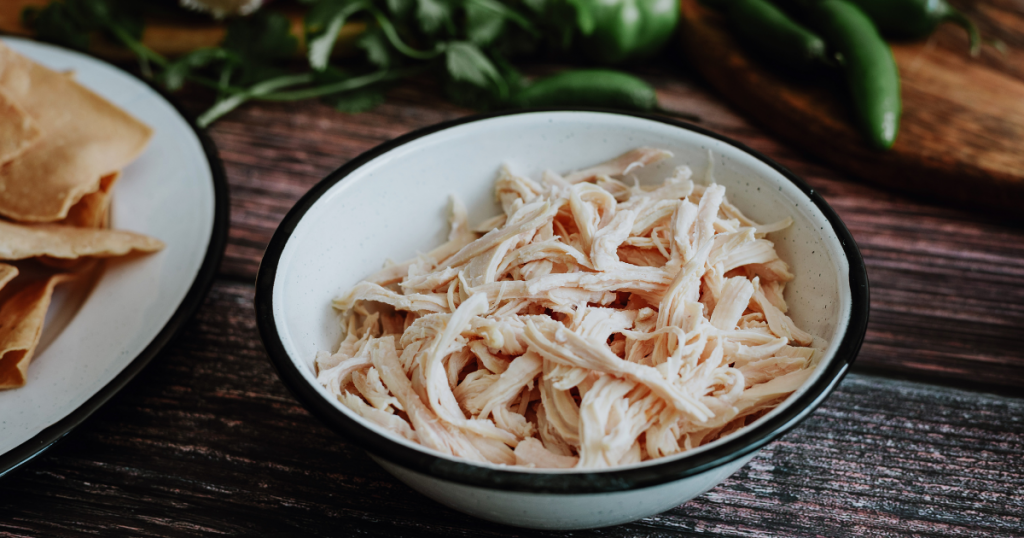
- Grilled or shredded chicken
- Turkey breast or turkey roll-ups
- Tuna or salmon pouches
- Cottage cheese
- Greek yogurt
- Hard-boiled eggs
- Egg salad
- Rotisserie chicken
- Lean deli turkey
- Cheese
- Edamame
- Beans or lentils
- Ready-to-drink protein shakes
A few examples of typical protein amounts include:
- 3 ounces chicken or turkey has about 20 to 25 grams
- ¾ cup cottage cheese has about 20 grams
- 2 eggs have about 12 to 14 grams
- A small tuna pouch has about 15 to 18 grams
- ½ cup edamame has about 9 grams
Nutrition varies by brand, so check the label when you need a more exact count.
2. Add a Fiber Food
Fiber supports regular digestion and helps a meal feel more satisfying. Many people get too little of it after bariatric surgery, because portions are small and protein takes priority. You do not need a large side salad to add fiber. A few spoonfuls of beans, a small handful of berries, or a serving of cooked vegetables next to your protein can still help you reach your daily total. Choose foods you tolerate well, and add new ones gradually to limit gas or bloating.
Try:
- Raspberries or blackberries
- Edamame
- Black beans
- Lentils
- Chickpeas
- Avocado
- Chia seeds
- High-fiber crackers
- Cooked vegetables
- Raw vegetables if well tolerated
- Pear or apple slices
- Roasted chickpeas
Beans, lentils, and edamame are especially useful in a packed lunch because they provide both protein and fiber, so one food covers two goals. Cooked vegetables are often easier to tolerate than raw ones, especially earlier after surgery. If you increase fiber, drink fluids steadily during the day, but keep the usual spacing between drinking and meals.
3. Add Flavor
A lunch that tastes bland is harder to look forward to, and that can make it easier to skip. A small amount of sauce, dip, seasoning, or something acidic can change the whole meal without adding much volume. Many of these options also help keep lean proteins moist, which can make them easier to eat. Choose the ones that sit well with your stomach and fit your bariatric program’s recommendations.
Keep options like these on hand:
- Hummus
- Tzatziki
- Mustard
- Salsa
- Lemon or lime juice
- Hot sauce
- Pesto
- Everything bagel seasoning
- Pickles
- Fresh herbs
- Light vinaigrette
4. Add Something Extra If You Need It
If you still have room after your protein and fiber foods, you can finish the meal with something you enjoy. A small extra can make lunch feel more complete and help you stay consistent with your plan. Some days your protein and fiber foods will be plenty, and that is fine. Keep extras small and eat them last so they don’t crowd out protein.
That might be:
- A small serving of fruit
- A few nuts
- High-fiber crackers
- A square of dark chocolate
- A small yogurt
- Part of a protein bar

What to Meal Prep for High-Protein Lunches
Meal prep doesn’t have to mean spending half of Sunday filling seven identical containers. A better approach is to prep components, like a few proteins, fiber foods, and sauces, that you can mix into different lunches during the week. This keeps meals from getting repetitive and makes it easier to adjust portions to your appetite each day. It also saves time, because you can put a lunch together in a few minutes instead of cooking every morning.
Prep 2 or 3 Proteins
Choose a few that can be used in more than one way.
For example:
- Shredded rotisserie chicken
- Hard-boiled eggs
- Lean ground turkey
- Grilled chicken
- Tuna packets
- Cottage cheese
- Greek yogurt
- Cooked lentils or beans
If you prep chicken, you can use it in a taco bowl Monday, add it to a salad jar Tuesday, and pair it with vegetables and hummus Wednesday. It’s the same protein, but a completely different lunch.
Prep 2 Fiber Foods
Wash, chop, or portion a few options so they are easy to grab.
Try:
- Berries
- Cucumbers
- Bell peppers
- Baby carrots
- Cooked broccoli
- Roasted vegetables
- Black beans
- Edamame
- Lentils
- Avocado
You do not need six vegetables waiting in the refrigerator. Two or three foods you actually like are more useful than an ambitious produce drawer that ends up untouched.
Prep 2 Flavor Options
This is the part people often forget. Portion hummus, salsa, tzatziki, dressing, or another favorite sauce into small containers. Keeping two different flavor profiles around can make the same basic protein taste like a completely different lunch.
Chicken with salsa, avocado, and black beans feels very different from chicken with cucumber, tzatziki, and tomatoes.
A Simple 20-Minute Meal Prep Plan
If meal prep usually feels like too much, start here.
At the beginning of the week:
- Pick two proteins.
- Cook or portion enough for several lunches.
- Wash or prep two fiber-rich sides.
- Portion one or two sauces or dips.
- Keep everything separate in the refrigerator.
- Assemble the combination that sounds good the night before or that morning.
You do not have to decide Tuesday’s lunch on Sunday. Prep the ingredients now and make the decision later. That small shift gives you structure without locking you into eating something you no longer want four days from now.
Need an all-in-one lunch option?
Some days meal prep is not realistic. A meal replacement can be a convenient backup when you need a balanced, high-protein lunch that is ready in minutes. Bariatric Advantage offers High Protein Meal Replacementd options that provide protein and key nutrients in a portion-controlled format, making them a practical choice for busy workdays, travel, or low-prep weeks.
6 Cold High-Protein Lunch Ideas
Bento Protein Box: A snack-style lunch is helpful when you prefer a few smaller foods instead of one larger entrée.
- 3 ounces turkey breast
- ½ cup edamame
- ¼ to ½ cup raspberries
- 1 light cheese round
Estimated nutrition: about 35 grams of protein and 6 grams of fiber.
Cottage Cheese Crunch Bowl
This one takes about two minutes to assemble. You can also make a sweet version with berries and chia seeds.
- ¾ cup low-fat cottage cheese
- Chopped cucumber and grape tomatoes
- 2 high-fiber crackers
- Everything bagel seasoning or another favorite seasoning
Estimated nutrition: about 20 grams of protein and 5 to 7 grams of fiber.
Tuna and Avocado Snack Box
- 1 tuna pouch
- ¼ avocado
- Cucumber salad with lemon or vinegar
- ½ cup baby carrots
Estimated nutrition: about 17 grams of protein and 6 to 7 grams of fiber.
High-Protein Snack Plate
- 1 hard-boiled egg
- 1 to 2 ounces deli turkey
- Vegetable sticks
- 2 tablespoons hummus
- A small serving of roasted chickpeas
Estimated nutrition: about 20 to 25 grams of protein and 6 to 8 grams of fiber.
This is another good option when eating a traditional lunch feels like too much food at once.
Chicken and Black Bean Taco Bowl
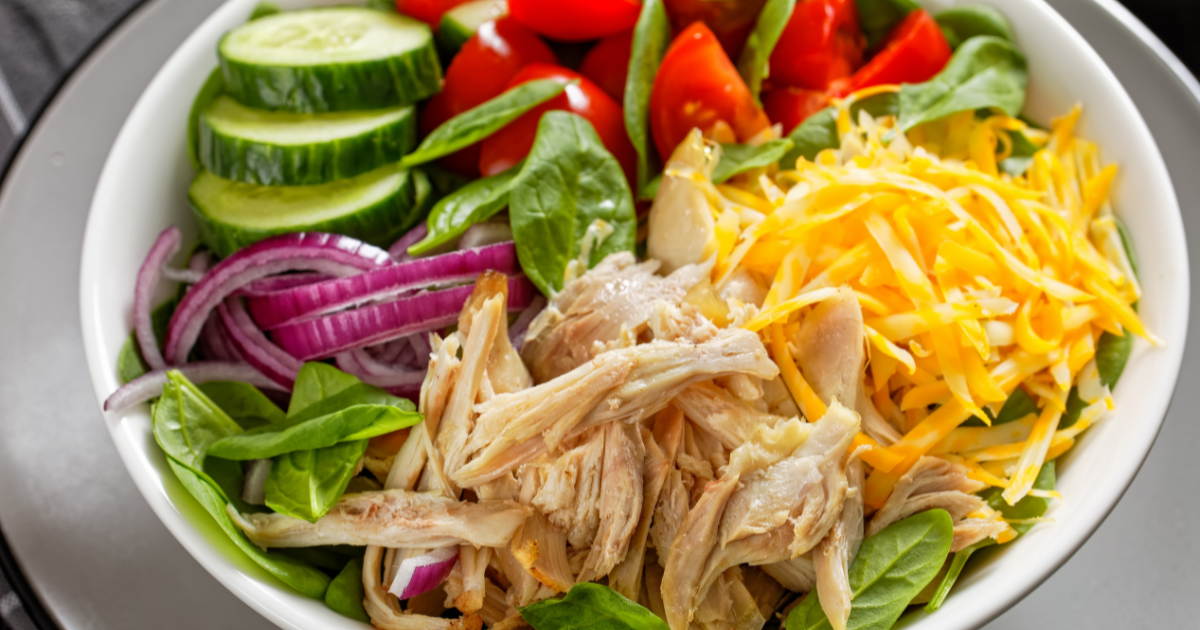
- 3 ounces shredded or grilled chicken
- ¼ cup black beans
- Romaine or cooked vegetables
- Salsa
- Optional avocado or shredded cheese
Estimated nutrition: about 25 grams of protein and 7 grams of fiber, depending on toppings.
Pack the salsa separately if you are making it ahead so the vegetables stay fresh.
Quick Meal Replacement Option
Some days there is no time to prep or pack a full lunch. A meal replacement can provide a convenient all-in-one option when you need protein and key nutrients in a grab-and-go format.
- 1 Bariatric Advantage High Protein Meal Replacement
- A piece of fruit, or raw veggies, if desired and tolerated
Estimated nutrition: Varies by product flavor and preparation. Check the label for complete nutrition information.
High-Protein Foods Worth Keeping on Hand
Some weeks you will have time to meal prep, and other weeks you will put lunch together from whatever is in the kitchen. If you keep a few reliable protein foods stocked in the refrigerator, freezer, and pantry, you can still pack a balanced lunch in a few minutes. Many of these foods need little or no cooking, so they are useful on busy mornings or when your appetite is low. Restock them during your regular grocery trips so you don’t run out.
Refrigerator Staples
- Cottage cheese
- Greek yogurt
- Hard-boiled eggs
- Cheese sticks
- Deli turkey
- Rotisserie chicken
- Cooked chicken
- Edamame
- Hummus
Freezer Staples
- Frozen grilled chicken strips
- Shelled edamame
- Turkey meatballs
- Frozen shrimp
- Individual portions of cooked ground turkey
- Frozen vegetables
Pantry Staples
- Tuna or salmon packets
- Canned chicken
- Black beans
- Chickpeas
- Lentils
- Roasted edamame
- Roasted chickpeas
- Nut butter packets
- High-protein or high-fiber crackers
- Protein bars
The goal is to create a backup system. If there is always one protein and one easy side available, an unplanned lunch does not have to become a stressful lunch.
Packing Lunch Without Making It a Project
A few small systems can make weekday lunches much easier.
- Use divided containers. Bento-style containers work well for protein, fruit, vegetables, crackers, and dips.
- Keep cold foods cold. Use an insulated lunch bag and ice pack for dairy, eggs, meats, and other refrigerated foods.
- Cook protein once and use it several ways. Chicken, turkey, eggs, and lentils can easily move between different meals.
- Keep prepped foods visible. Clear containers make it easier to remember what you have.
- Save your favorite combinations. Keep a list in your phone of five or six lunches that consistently work for you.
- Pack sauces separately. This prevents soggy meals and gives you more flexibility.
- Pack the night before when mornings are hectic. Five minutes in the evening can make lunch much easier the next day.
What If You Are Not Hungry at Lunch?
Some days you may feel full quickly or have little interest in food, which can make it harder to meet your protein and nutrient needs. If a full lunch doesn’t sound appealing, make the meal smaller instead of skipping it. A few bites of a protein food still count toward your daily total, and eating something at midday can make it easier to avoid low energy later. You can also split lunch into two smaller eating times, such as half at noon and the rest an hour or two later.
You might try:
- Half a cottage cheese bowl
- A hard-boiled egg with turkey
- Greek yogurt with berries
- A small portion of chicken and avocado
- Half of a protein snack plate
When protein goals feel difficult to reach
Reduced appetite is common after bariatric surgery and while using GLP-1 medications. If you are eating smaller portions and struggling to get enough protein from meals alone, adding a protein supplement may help fill nutrition gaps. Bariatric Advantage High Protein Supplement Mix can be mixed into foods or beverages to boost protein intake without requiring a larger meal volume.
On days when solid food is particularly difficult, a protein shake may still have a place. It does not have to be your default lunch every day, but it can be a useful backup when appetite is low. If you recently had bariatric surgery, follow your surgical program’s recommendations for meal timing, food textures, and protein supplements.
Travel-Friendly High-Protein Options
Keep a few options available for days when lunch needs to fit in a purse, work bag, or suitcase.
Try:
- Tuna or chicken packets
- Ready-to-drink protein shakes
- Roasted edamame
- Roasted chickpeas
- Protein bars
- Nut butter packets
- Jerky
- Individual cheese portions
- High-fiber crackers
- Shelf-stable protein drinks
Pair shelf-stable protein with fruit or another fiber source when possible. For longer days away from home, an insulated bag opens up even more choices, including yogurt, cottage cheese, eggs, deli turkey, vegetables, and hummus.
Here’s the Takeaway
A high-protein lunch does not require complicated recipes or hours of meal prep. Start with a protein anchor, add a fiber-rich food, and keep a few flavors you enjoy nearby. Prep ingredients instead of forcing yourself into five identical lunches, and keep convenient backups available for the weeks when meal prep does not happen.
Remember, the best lunch plan is one that makes eating well easier on an ordinary Tuesday, not just when you have plenty of time and motivation.
References
Ochner, C. N., et al. (2013). Effect of protein supplementation on preservation of fat-free mass following bariatric surgery: The PROMISE Trial. Obesity Surgery, 23(10), 1871–1879.
Stewart, K. E., et al. (2020). Dietary fibre intake and bowel habits after bariatric surgery: A systematic review. Clinical Obesity, 10(3), e12345.


