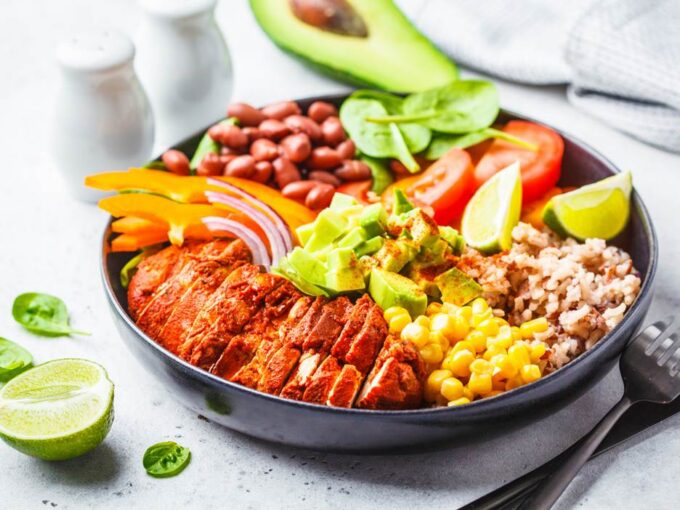
Why Dietary Fiber Is Important While Losing Weight
During weight loss, protein usually gets the most attention, especially after bariatric surgery or while taking a GLP-1 medication. Fiber is also important. It supports regular bowel movements, feeds beneficial gut bacteria, helps you feel full, and plays a role in the gut signals that help regulate appetite and blood sugar. Eating less food overall can make it harder to get enough fiber, so it helps to know which foods provide it and how to add more in a way that works for you.

What Is Dietary Fiber?
Dietary fiber is the part of plant foods that your body cannot fully digest. Some of it reaches the large intestine, where it affects bowel function and interacts with the bacteria that live in the gut.
There are two main types. Soluble fiber can absorb water, form a gel, or be fermented by gut bacteria. Insoluble fiber adds bulk and helps move waste through the digestive tract. Most plant foods contain both, so eating a variety of fruits, vegetables, beans, whole grains, nuts, and seeds is a simple way to get a good mix.
Fiber and Digestion
Constipation is a common reason people start paying attention to fiber. After bariatric surgery, eating smaller amounts and having trouble drinking enough fluid can both affect bowel habits. The American Society for Metabolic and Bariatric Surgery lists low fluid intake as a common cause of constipation after surgery and notes that fiber may help. Calcium, iron, and some pain medications can also contribute.¹
GLP-1 medications can also cause digestive side effects. Nausea, diarrhea, vomiting, and constipation are among the most common, especially when starting the medication or increasing the dose.²
Fiber Feeds Your Gut Bacteria
Gut bacteria break down certain fibers in the colon and produce short-chain fatty acids (SCFAs), including acetate, propionate, and butyrate. SCFAs provide energy for the cells lining the colon and help with communication between the gut, the immune system, and metabolism.²
Research suggests this process may change after bariatric surgery. In a study of 22 adults who had sleeve gastrectomy or Roux-en-Y gastric bypass, average fiber intake was about 15 grams per day before surgery and 13 grams after. Total SCFAs in stool dropped by about 26% after surgery.³ The study was small and cannot show that lower fiber intake caused the drop, but it suggests that fiber intake after surgery deserves attention.
A second small study, which has not yet been peer reviewed, found that people who ate more fiber after bariatric surgery had a greater variety of gut bacteria.⁴
How Fiber and GLP-1 Are Connected
When gut bacteria ferment fiber, the SCFAs they produce can prompt cells in the intestine to release GLP-1, a hormone your body makes naturally that helps regulate appetite and blood sugar.²
This does not mean fiber can replace a GLP-1 medication. No clinical trial has tested whether adding a fiber supplement to GLP-1 treatment leads to more weight loss than the medication alone.²
Getting enough fiber can be a challenge while taking these medications. One study found that adults taking a GLP-1 medication ate an average of 14.5 grams of fiber per day,² well below general recommendations.
Can Fiber Help With Dumping Syndrome?
Dumping syndrome can happen after some metabolic and bariatric surgeries, most often Roux-en-Y gastric bypass, when food moves into the small intestine too quickly. Symptoms can include nausea, cramping, diarrhea, sweating, dizziness, or a fast heartbeat. Some people also have low blood sugar one to three hours after eating, which is called late dumping.⁵
An older study looked at guar gum, a soluble fiber that forms a thick gel. Among 11 people with dumping syndrome after stomach surgery, taking 5 grams of guar gum with meals reduced symptoms in 9 of them.⁶ Because the study was very small and was not done in people who had current bariatric procedures, guar gum should not be used to self-treat dumping syndrome. If your symptoms continue, talk with your bariatric care team.
How Much Fiber Do You Need?
Most adults need about 21 to 38 grams of fiber per day, depending on age and sex.⁷ If you eat smaller meals, that amount can be hard to reach. A good first step is to look at what you eat now and find simple ways to add fiber while still getting enough protein.
If you recently had bariatric surgery, follow your surgical team’s diet plan, which may move gradually from liquids to soft foods to regular foods.⁸ Drink more fluids as you add fiber, because fiber works best with enough water.⁷

7 Easy Ways to Add More Fiber
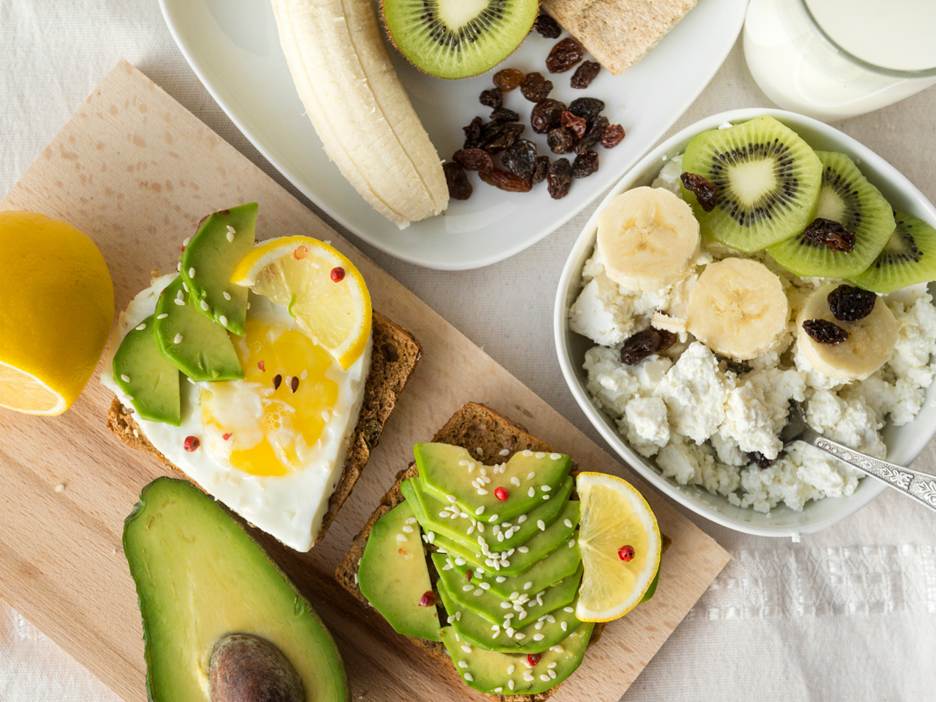
- Add berries. Raspberries and blackberries add several grams of fiber to Greek yogurt, cottage cheese, oatmeal, or a protein smoothie.
- Stir in chia or ground flax. Add a tablespoon to yogurt, oatmeal, pudding, or a shake. If seeds are new to you, start with a smaller amount.
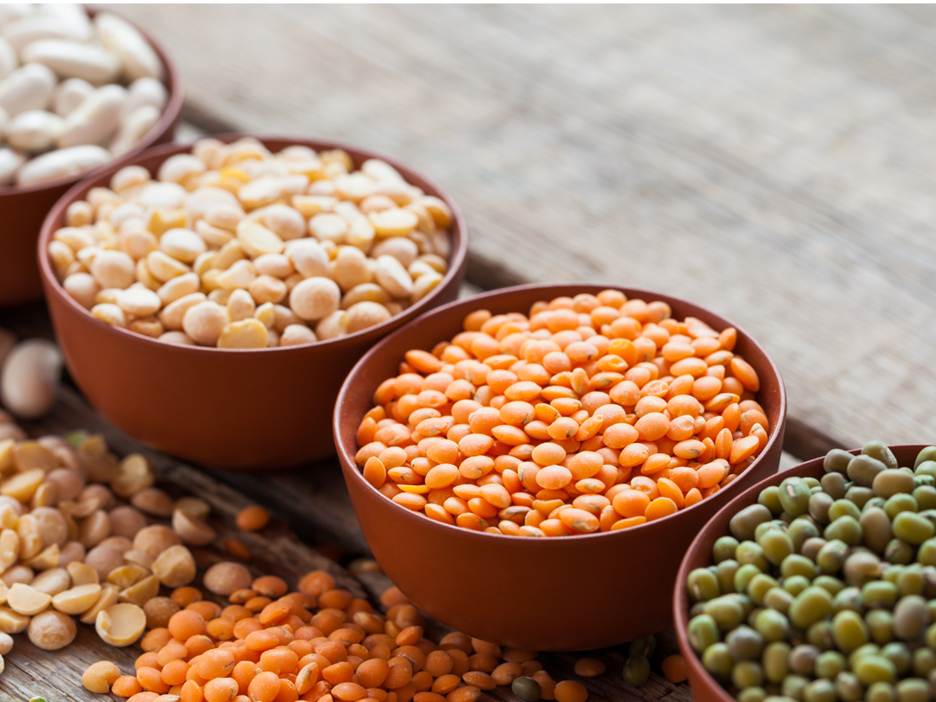
- Include beans and lentils. Legumes contain both protein and fiber. Add a few spoonfuls to soups, chili, taco bowls, or shredded chicken.
- Add avocado. A small amount on eggs, chicken, tuna, or a taco bowl adds fiber.
- Try cooked vegetables. Roasted, steamed, or finely chopped vegetables are often easier to tolerate than raw vegetables.
- Choose higher-fiber carbohydrates. Oats, quinoa, beans, fruit, and whole grains have more fiber than refined grains.
- Consider a fiber supplement. A supplement can help if it is hard to get enough fiber from food. Start with a small amount and increase slowly.
Protein and fiber work well together at meals and snacks. A few examples are Greek yogurt with raspberries and chia, cottage cheese with pear, eggs with avocado and black beans, chicken with lentils, or a protein shake with added fiber.
Increase Fiber Slowly
Adding a lot of fiber at once can cause bloating, gas, stomach discomfort, diarrhea, or feeling too full. This can be more noticeable if a GLP-1 medication has already slowed your digestion. Adding fiber gradually gives your body time to adjust.²
Adding fiber without drinking enough fluid can make constipation worse. If constipation does not improve, your bowel habits change suddenly, or you have significant pain or vomiting, contact your healthcare provider.
4 High-Fiber Recipes
These recipes combine protein and fiber in the same dish, so you can get more of both from one meal or snack. Each one uses a few simple ingredients and takes little time to prepare. Two of them can also be made ahead and kept in the refrigerator. Portion sizes are listed, but you can adjust them to fit your appetite and where you are in your eating plan. If you are still following a staged diet after bariatric surgery, check with your care team before trying foods like seeds, beans, or raw fruit.
Raspberry Chia Protein Yogurt Bowl

Ingredients ¾ cup plain Greek yogurt, ½ cup raspberries, 1 tablespoon chia seeds, and 1 tablespoon sliced almonds or oats.
Directions Spoon the yogurt into a bowl and top with raspberries, chia seeds, and almonds. If you like the chia softer, let the bowl sit for 5 to 10 minutes before eating.
Estimated nutrition per serving About 230 calories, 21 grams of protein, and 10 grams of fiber.
Turkey and Black Bean Taco Bowl
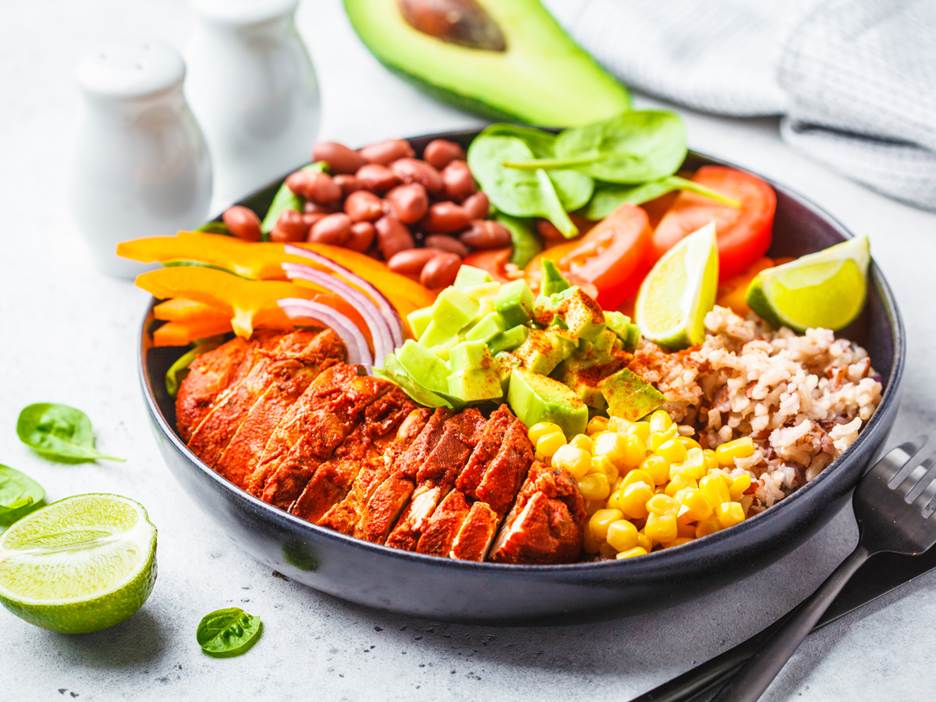
Ingredients For two servings, use 8 ounces cooked lean turkey, ½ cup rinsed black beans, ½ avocado, ½ cup salsa, 1 cup cooked zucchini and bell pepper, and taco seasoning to taste. You can also add quinoa, corn, and lime if you enjoy those flavors.
Directions Season and cook the turkey. Divide it between two bowls, then add the black beans, vegetables, salsa, and avocado. You can also split it into smaller portions and save the rest for later.
Estimated nutrition per serving About 330 calories, 26 grams of protein, and 8 to 9 grams of fiber.
Chocolate Chia Protein Pudding
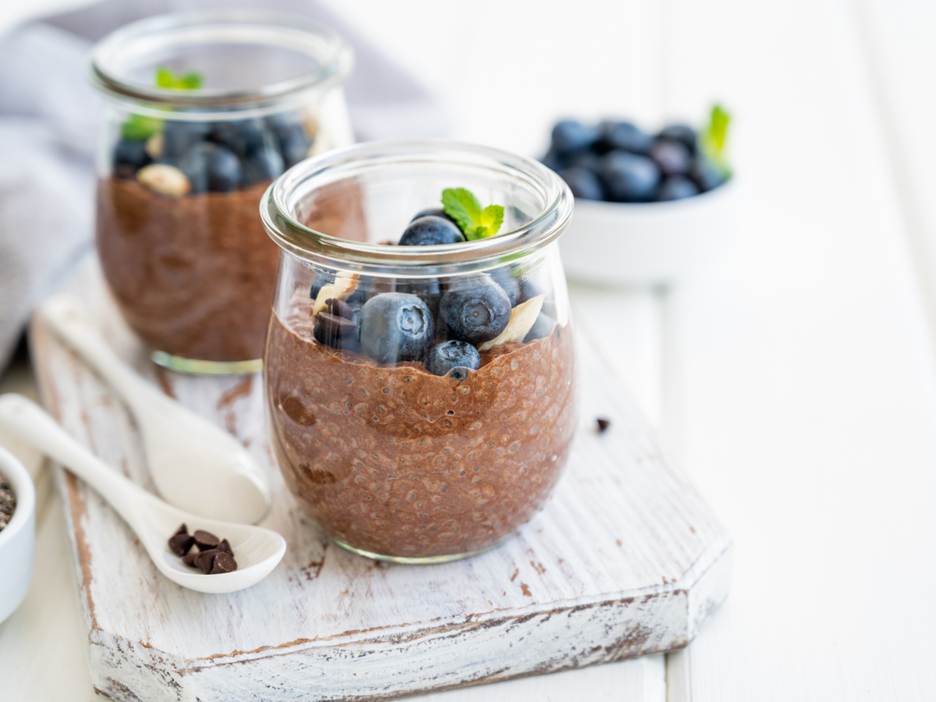
Ingredients For two servings, use 1 cup unsweetened soy milk, 1 scoop chocolate protein powder, 3 tablespoons chia seeds, 1 tablespoon unsweetened cocoa powder, and a low- or no-calorie sweetener if you like.
Directions Whisk everything together until smooth and refrigerate for at least two hours or overnight. Stir before serving. For a thinner pudding, add a splash of milk.
Estimated nutrition per serving About 200 calories, 17 grams of protein, and 9 to 10 grams of fiber.
Cream of Broccoli Soup
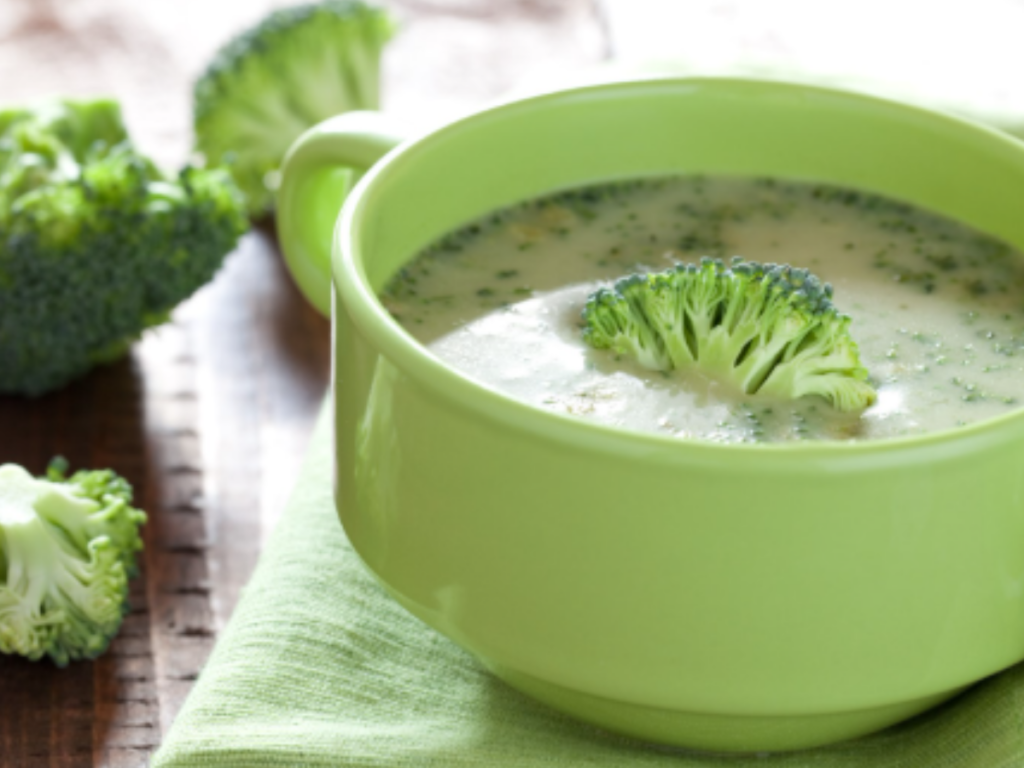
Ingredients For one serving, use 1 cup steamed broccoli florets, 1 teaspoon onion powder, 1 teaspoon garlic powder, 4 ounces water, 2 scoops High Protein Meal Replacement in Crème flavor, and salt and pepper to taste.
Directions Add the broccoli, onion powder, garlic powder, water, salt, and pepper to a high-powered blender and blend until smooth. Let the soup cool to room temperature, then pour it into a bowl and stir in the protein powder until combined. Don’t add the protein powder while the soup is hot, because high heat can change its texture.
Estimated nutrition per serving About 190 calories, 29.5 grams of protein, and 8.5 grams of fiber.
Fiber FAQ
Does fiber help with weight loss? Fiber can help you feel full and supports metabolic health, but on its own, it has a small effect on body weight. Its benefits come from being part of an overall healthy eating pattern.²
What type of fiber is best for constipation? No single type works best for everyone. Psyllium is a soluble fiber that is often used for constipation, and food sources provide a wider range of fibers. What works for you can depend on the type and amount of fiber, how much fluid you drink, and how your body responds.
Can I take a fiber supplement while using a GLP-1 medication? Many people taking GLP-1 medications use fiber supplements to support regular bowel movements. Start with a small amount and drink enough fluids. If constipation continues or is severe, talk with your prescribing clinician.²˒⁷
Why does fiber make me bloated? Gut bacteria produce gas when they break down fiber. Adding fiber too quickly can cause more gas than usual. Try cutting back, increasing more slowly, or switching to a different fiber source.
Can I eat high-fiber foods right after bariatric surgery? It depends on where you are in your recovery. Your diet will move through several stages after surgery, so follow your bariatric team’s guidance before adding high-fiber foods.⁸
Conclusion
Fiber supports digestion, gut health, and fullness during weight loss. Adding foods like berries, beans, lentils, avocado, oats, chia, flax, vegetables, and whole grains can help you get more fiber, and a supplement can help if you need it. Add fiber slowly, drink plenty of fluids, and choose the sources that work well for you.
References
- American Society for Metabolic and Bariatric Surgery. (n.d.). Symptoms and concerns.
- Wang, Y., Liu, J., Verbeke, K., Gasaly Retamal, N., Akkerman, R., & de Vos, P. (2026). Dietary fiber and glucagon-like peptide-1 receptor agonists in obesity management: Converging mechanisms, interactions, and strategies for durable weight control. Advances in Nutrition, 17, 100647. doi: 10.1016/j.advnut.2026.100647.
- Meijer, J. L., Roderka, M. N., Chinburg, E. L., Renier, T. J., McClure, A. C., Rothstein, R. I., Barry, E. L., Billmeier, S., & Gilbert-Diamond, D. (2022). Alterations in fecal short-chain fatty acids after bariatric surgery: Relationship with dietary intake and weight loss. Nutrients, 14, 4243. doi: 10.3390/nu14204243.
- Lande, S. J., Stephney, L. M., Gonzalez A. Ramirez, L., Nesbeth, P.-D. C., Hartman, T. J., Jones, D. P., Valvi, D., Hechenbleikner, E. M., Lin, E., McConnell, R. S., Chatzi, V. L., Alvarez, J. A., & Ziegler, T. R. (2025). Dietary macronutrient intake and the gut microbiome in adults undergoing bariatric surgery for obesity. medRxiv. doi: 10.1101/2025.10.28.25338397.
- American Society for Metabolic and Bariatric Surgery. (2008). Bariatric surgery postoperative concerns.
- Scarpellini, E., Roselli, F., Scarcella, M., Tedesco, C., Di Buò, S., Di Giovanni, F., Gambardella, M. L., Scarlata, G. G. M., Tack, J., & Abenavoli, L. (2026). Guar gum, partially hydrolyzed guar gum, and human gut health: A narrative review. Reviews on Recent Clinical Trials. Advance online publication. doi: 10.2174/0115748871483178260603111726.
- National Institute of Diabetes and Digestive and Kidney Diseases. (n.d.). Treatment for constipation. National Institutes of Health.
- American Society for Metabolic and Bariatric Surgery. (2021). Life after bariatric surgery.


